
Showing posts with label herbs. Show all posts
Showing posts with label herbs. Show all posts
Friday, May 18, 2012
Storing Your Herbs and Spices
Herbs and spices are probably the single-most expensive food
item you buy. It will behoove you to
store them carefully. No matter how pretty, never store your herbs and spices
in those decorative little bottles hanging in a rack on your kitchen wall.


Monday, May 14, 2012
Herb and Spice Kits for the Survivalist

After setting up my bug-out bag with essentials for
survival, I began to think a little further.
Yes, I have dehydrated food ready to go and a few seasoned meal
kits. But in reality, my physical
limitations would prevent me from striking out into the woods for very
long.
Sunday, May 13, 2012
Grinding Dehydrated Herbs and Spices

Basically, herbs are
the leaves and stems of certain plants that retain their flavor and add to
the taste of food. Generally, fresh herbs are preferable to dried herbs, but we
do not live in an ideal world and often need to resort to the dried version.
Sunday, April 22, 2012
Global Buckets
Three years ago I found this link and started making my own global buckets. For those of you who have limited gardening space or live in a harsh climate, this is the ideal set-up.
These are especially important if you live in an arid climate. They use 50% to 80% less water!
http://www.globalbuckets.org/

Where I live it can snow any day of the year. But lugging 5 gallon buckets of dirt and plants into the house is not possible for me. This mint is grown in a double-kitty litter bucket. The pipe is where you pour the water in.
If you live in a situation where you need to be on the go, traveling or bug-out, then these containers enable you to take your garden with you.
These are especially important if you live in an arid climate. They use 50% to 80% less water!
http://www.globalbuckets.org/

If you live in a situation where you need to be on the go, traveling or bug-out, then these containers enable you to take your garden with you.
Wednesday, April 18, 2012
Herbs Harvesting Chart
I highly recommend How to Dry Foods by Deanna Delong.

She has a great list for growing herbs. Here is the chart
for when to harvest and what parts to use.

I grow most of my herbs in one-gallon self-watering containers. I have no garden space, and since we live in a very cold climate, I can easily bring my plants inside when I need to.
Sunday, April 15, 2012
Homemade Taco Seasoning Mix – Low Sodium
Source:
Source: Pillsbury
Classic Cookbooks; Money $aving Meals, #131, Jan. 1992;
reviewed July 2007
- 6
tsps. chili powder
- 5
tsps. paprika
- 4-1/2
tsps. cumin*
- 3
tsps. onion powder
- 2-1/2
tsps. garlic powder
- 1/8
to 1/4 tsp. cayenne pepper
TIPS:
*Cumin,
an herb, is ground from cumin seeds, and there is no substitute for its flavor.
Yield:
Seven
teaspoons of mix equal a 1.25-oz. package of purchased taco seasoning mix.
Nutritional
Information
Seven teaspoons mix contain 90 mg. sodium.
Saturday, April 14, 2012
Homemade Seasoned Rice Mix Low Sodium
Source:
Source: Pillsbury
Classic Cookbooks; Money $aving Meals, #131, Jan. 1992;
reviewed July 2007
Yield: 3 cups.
This economical, convenient mix allows you the flexibility
to make it for poultry or beef-flavored dishes.
- 3
cups uncooked regular rice
- 1/4
cup dried parsley flakes
- 6
tsps. instant chicken or beef-flavor bouillon
- 2
tsps. onion powder
- 1/2
tsp. garlic powder
- 1/4
tsp. dried thyme leaves
Yield: 3 cups.
Nutritional
Information
1/2
cup = 150 mg. of sodium.Friday, April 13, 2012
Homemade Salt-Free Herb Mix
Source:
Source: Pillsbury
Classic Cookbooks; Money $aving Meals, #131, Jan. 1992;
reviewed July 2007
Commercially
packaged mixes can eat up food dollars, especially if purchased frequently. A
practical, money-saving alternative is to make your own mixes.
Commercially prepared salt-free herb and spice blends
are growing in popularity. Our homemade version is versatile and the flavors
are complementary to many meat, vegetable and starch dishes. Teaspoon
measurements are used because the teaspoon easily fits into the seasoning
containers.
- 3
tsps. onion powder
- 3
tsps. garlic powder
- 3
tsps. dried parsley flakes
- 1
tsp. dried basil leaves
- 1
tsp. dried thyme leaves
- 1
tsp. dried marjoram leaves
- 1
tsp. pepper
Yield:
13 teaspoons (about 1/4 cup).
Nutritional
Information
One teaspoon mix contains 1 mg. sodium
Thursday, April 12, 2012
Herbal Combinations
Linda’s Note: I took a class called Put
a Little Spice in Your Life class with Barbara Hotaling, owner of
Paya’s Restaurant in Dubois ,
Wyoming
Here is an excerpt from that file:
Wednesday, April 11, 2012
Herb and Spiced Beverages
- Linda’s Note: I took a class called
Put a Little Spice in Your
Life class with Barbara Hotaling, owner of Paya’s Restaurant in
It’s in pdf format
Tuesday, April 10, 2012
Creating Seasoned Rubs
Seasoned rubs are great on meats and vegetables. However,
the premixed seasonings found at the grocery store often contain up to 90% salt
in order for the manufacturer to reduce production costs. You can make your own
flavorful rubs with much less sodium and more flavor.
Making your own rubs is especially helpful for people with chemical or nutritional issues. For general health, you probably want to stay away from the chemicals and toxins manufacturers put in their rubs.
Making your own rubs is especially helpful for people with chemical or nutritional issues. For general health, you probably want to stay away from the chemicals and toxins manufacturers put in their rubs.
Thursday, March 29, 2012
Herb and Spice Substitutions
Linda’s Note: I took a class called Put
a Little Spice in Your Life class with Barbara Hotaling, owner of
Paya’s Restaurant in Dubois ,
Wyoming
Wednesday, March 28, 2012
Easiest of the Easy
For you newbies to dehydrating, here is a list of the
easiest things to dehydrate. All you have to do is wash, slice, toss onto the
racks and go. By morning, Voila! Perfection.


Apple Slices
A few starter tips:
- Even slices mean even drying. Try to cut ...your slices thin and even.
- Use a mandolin slicer if you have one. Makes the job a lot easier.
- If you wash your veggies first, you might want to use your salad spinner get rid of excess moisture.
- Fruits with high sugar content - spray your fruit leather trays first to keep from sticking.
- Drippy things or things that will fall through the slots when dried because of shrinkage - put a fruit leather tray or cut piece of wax paper on the bottom rack.
- The foods listed below do not need cooking, blanching, or treating before dehydrating.
Flavor Profiles
When using spices and herbs, don’t think in terms of which
herbs go with what foods. Think in terms of flavor profiles. As you begin to understand the flavors, you
will be better able to blend delicious combinations based on your own family’s
preferences.
Below is a short list of flavors.
|
Herb / Spice
|
Flavor
|
|
Allspice
|
Sweet
|
|
Basil
|
Licorice / cloves
|
|
Bay leaf
|
Piney
|
|
Caraway
|
Tangy / licorice
|
|
Cardamom
|
Sweet
|
|
|
Hotter than black or white
|
|
Chervil
|
Licorice, parsley substitute
|
|
Chives
|
Onion
|
|
Cilantro (coriander)
|
Pungent, soapy to some
|
|
Cinnamon
|
Sweet or hot
|
|
Cloves
|
Licorice
|
|
Cumin
|
Spicy, pairs with chilies
|
|
Dill
|
Tangy, dry aftertaste
|
|
Dried chili
|
Hottest
|
|
Fennel (anise)
|
Licorice
|
|
Garlic
|
Pungent
|
|
Ginger
|
Pungent
|
|
Mint
|
Spicy / sweet, menthol
|
|
Mustard
|
Hot – brings out other flavors
|
|
Nutmeg
|
Sweet & pungent
|
|
Oregano
|
Bitter
|
|
Paprika
|
Mild peppery
|
|
Parsley
|
Peppery
|
|
Pepper
|
Hot
|
|
Poppy seeds
|
Sweet
|
|
Rosemary
|
Piney w / lemon
|
|
Saffron
|
Medicinal
|
|
Sage
|
Musty mint
|
|
Savory
|
Cross between thyme & mint
|
|
Sesame
|
Minl
|
|
Tarragon
|
Licorice
|
|
Thyme
|
Pungent, mint / lemon
|
|
Turmeric
|
Dye properties
|
|
Vanilla
|
sweet
|
Tuesday, March 27, 2012
Compound Butters
Here is an interesting way to use those wonderful home-dried
herbs.
If you go to really nice restaurants or specialty delis, you
can find seasoned butters… at VERY high prices.
However, making your own butters are so easy, you’ll smack your forehead
with “why didn’t I think of that!”
You can put together a custom-blended compound butter in
less than ten minutes.
Basically:
- Mix your desired herbs and spices into the butter.
- Room temperature butter
- Place butter into mixing bowl with paddles
- Add desired spices and herbs
- Mix until well blended
- Roll it in plastic wrap to make a tight sausage shape.
- Refrigerate or freeze to make it firm.
- Then slice and use.
Friday, March 23, 2012
Easiest of the Easy
For you newbies to dehydrating, here is a list of the
easiest things to dehydrate. All you have to do is wash, slice, toss onto the
racks and go. By morning, Voila! Perfection.

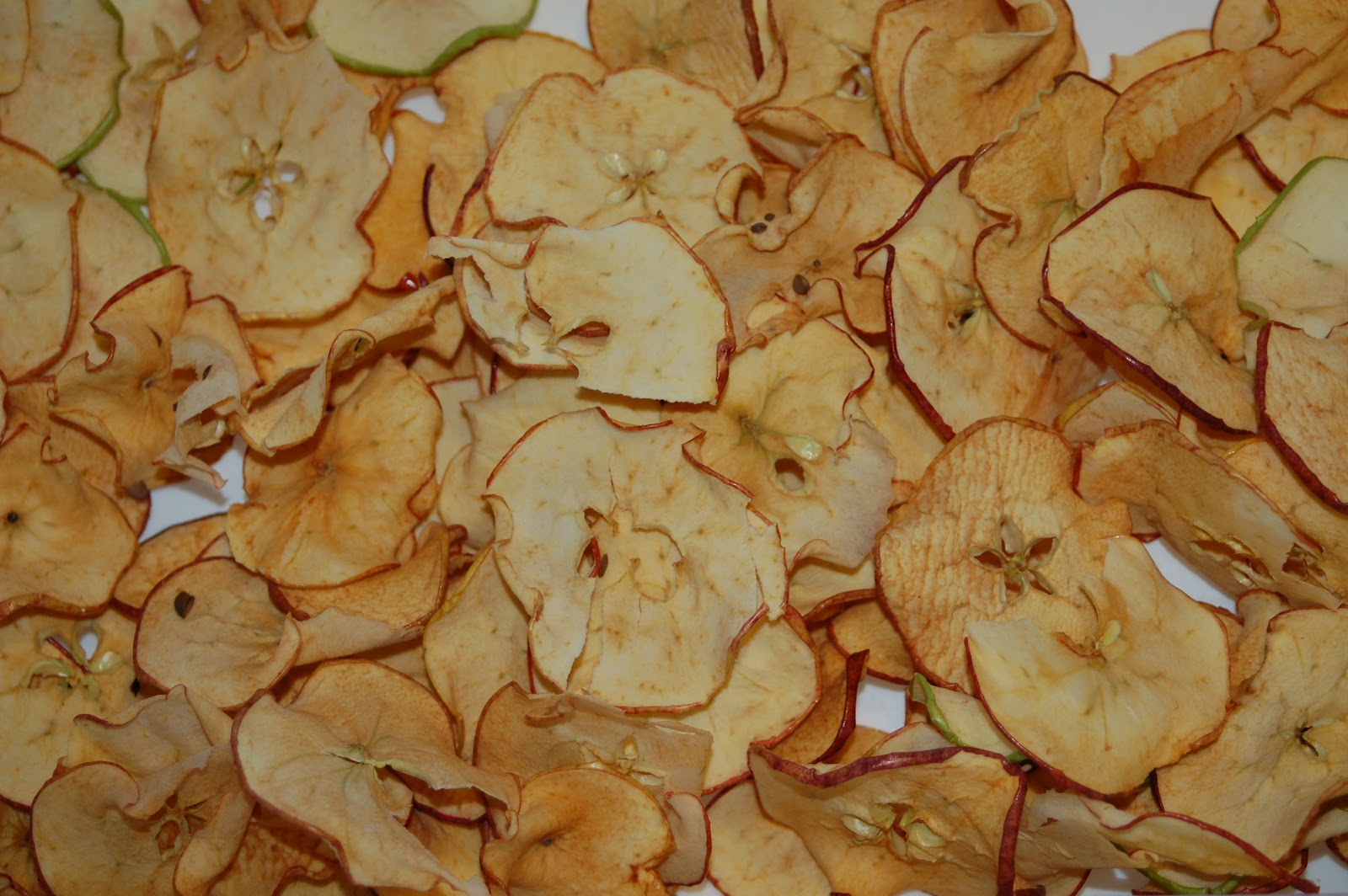
Apple Slices
A few starter tips:
- Even slices mean even drying. Try to cut ...your slices thin and even.
- Use a mandolin slicer if you have one. Makes the job a lot easier.
- If you wash your veggies first, you might want to use your salad spinner get rid of excess moisture.
- Fruits with high sugar content - spray your fruit leather trays first to keep from sticking.
- Drippy things or things that will fall through the slots when dried because of shrinkage - put a fruit leather tray or cut piece of wax paper on the bottom rack.
- The foods listed below do not need cooking, blanching, or treating before dehydrating.
- Celery
- Onions - NOT Vidalias, the high sugar content will caramelize... they become rubbery but so impart the good flavor; I just didn't like the "chewiness" in my soups
- Bell peppers
- Cucumbers
- Zucchini
- Apples / pears - peel and core first
- Garlic
- herbs
- Greens - turnips, collards, spinach, beet, kale - wash & stem, salad spin, spread out whole on racks. Takes a bit of room, but well worth the effort
- Cabbage, definitely cabbage! Chopped, diced, shredded. Cabbage can be cooked first. Just make sure you don’t use any fats or oils in the cooking.
Subscribe to:
Posts (Atom)